When comparing EV vs. gas or hybrid vs. electric vehicles, you’ll find that hybrid and electric cars can provide significant savings when stacked up against gas-only models. In fact, the Department of Energy estimates that driving a hybrid vehicle can save you up to $1,500 per year and electric models up to $2,200.1 While gas-only vehicles remain popular in the automotive market, the Centereach Hyundai team has compiled this hybrid vs. electric vs. gas comparison to help you understand all three different varieties in depth.
Before diving in, let’s first define a few terms. Gasoline-only vehicles are familiar to the vast majority of drivers: these models have no hybrid architecture and rely solely on gasoline. This makes them easy to operate, but they typically have the lowest fuel efficiency ratings of all three types.
Electric vehicles use robust battery-and-motor systems, eschewing gasoline entirely. As a result, they’re also easy to operate, and they tend to cost the least to fuel up out of our three categories.2 Hybrid cars fall in between the two, relying on both gasoline-powered engines and battery-and-motor setups. They’re a great option for drivers in Centereach, NY, who want more fuel efficiency but are not ready to go all-electric just yet, though it’s worth noting that EVs tend to win hybrid vs. electric car gas mileage comparisons by a significant margin.
Overall, gasoline-powered vehicles are usually more expensive to operate than hybrid or electric models. Hybrid cars are less so, while EVs will typically cost you the least to use.2
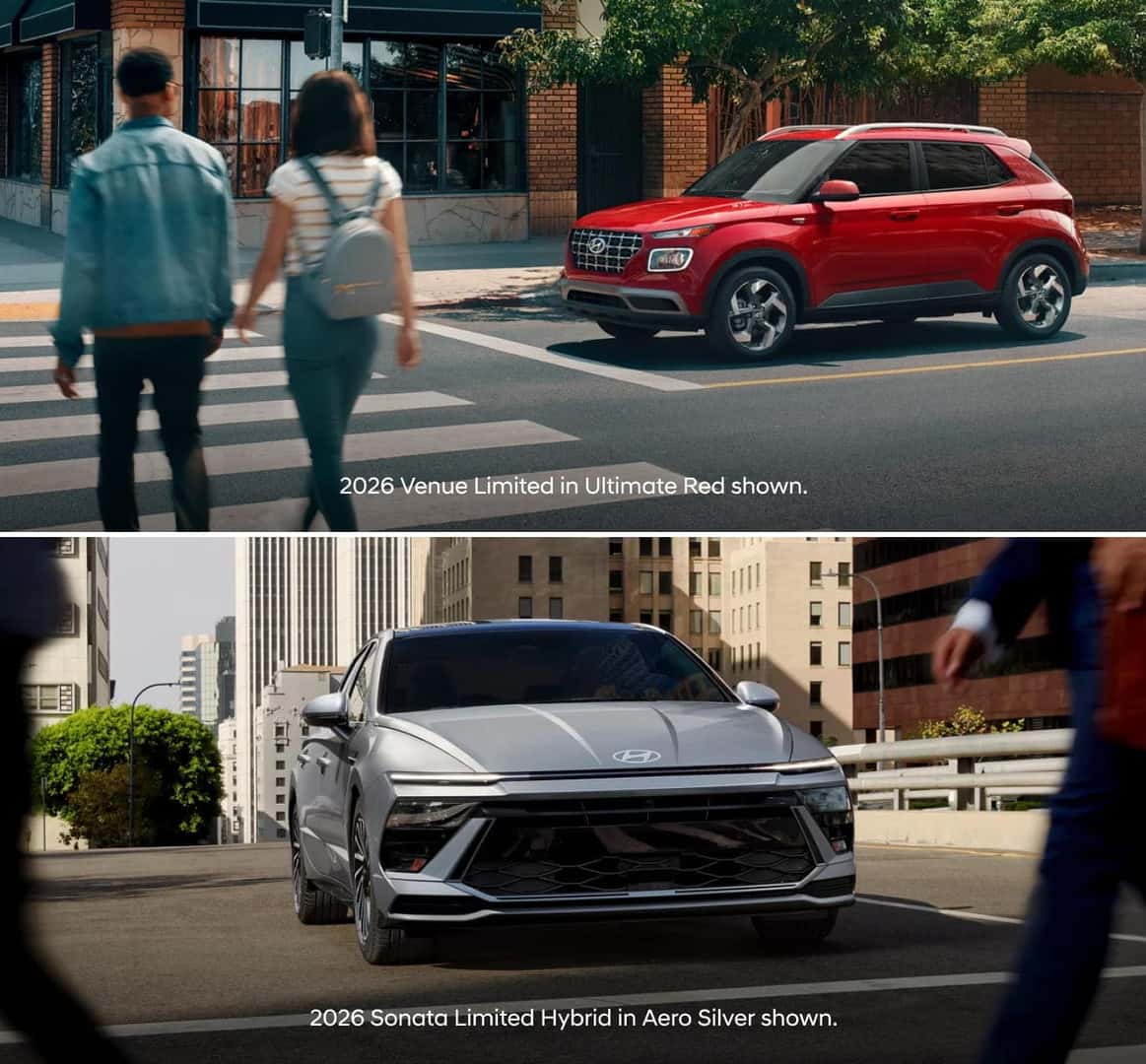
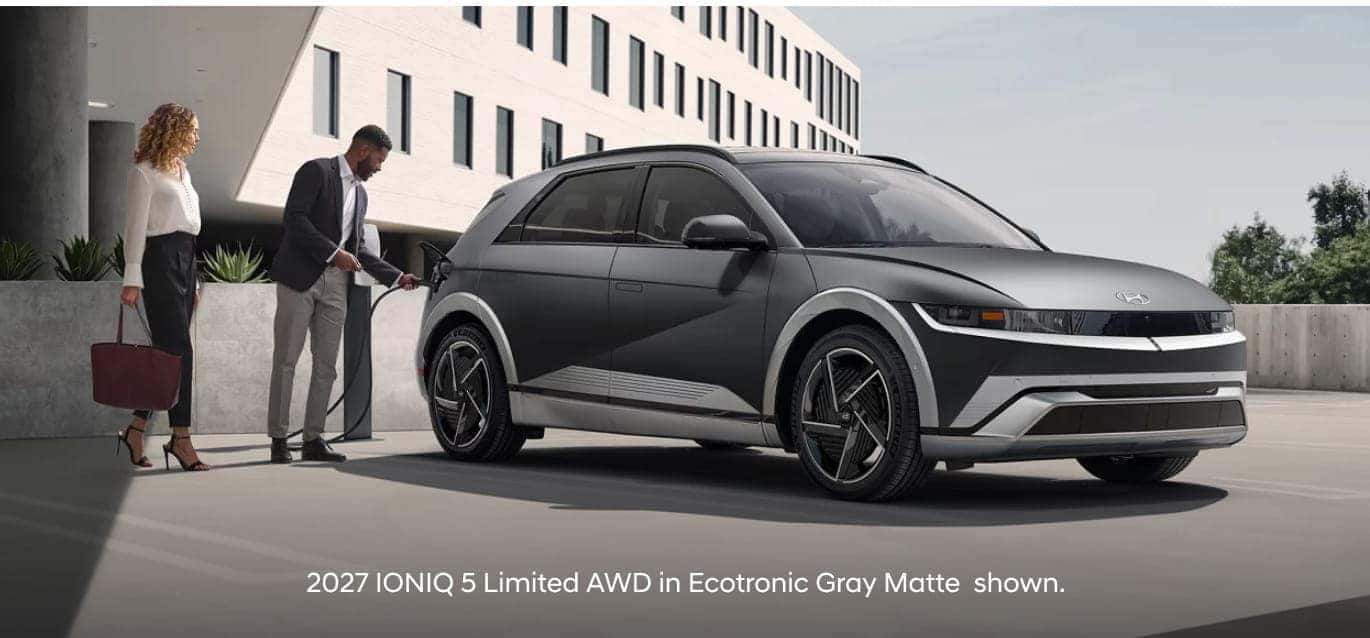
This is another arena in which the winner of the gas vs. electric cars matchup is the EV. That’s because electric vehicles have fewer moving parts and don’t have any controlled explosions going on under the hood. One government study found that gasoline-powered cars cost 10 cents per mile for maintenance on average, while EVs only need 6 cents per mile worth of maintenance.3 The same report, from the Department of Energy’s Argonne National Laboratory, found that hybrid models – such as the new Hyundai Palisade Hybrid for sale – run about 9 cents per mile.3
When comparing and contrasting long-run costs, the electric vs. gas car cost comparison tilts toward EVs, with hybrid models falling somewhere in the middle. Next, we’ll take a look at the up-front costs of some of these automobiles, such as our all-electric Hyundai IONIQ 5 vehicles.

For a time, the federal government provided significant tax incentives on electric vehicles and some hybrid models. However, that recently changed: now, the federal tax savings for new electric or hybrid automobiles has expired, although state and local governments may still offer rebates or other similar incentives.
When it comes to starting prices, electric vs. hybrid vs. gas car costs are fairly similar upfront. Electric and hybrid vehicles tend to run a few thousand dollars more than their gasoline-only counterparts – a significant decrease in the price gap from a few years ago – while typically providing more engaging performance, significantly better gas mileage, and savings on maintenance.
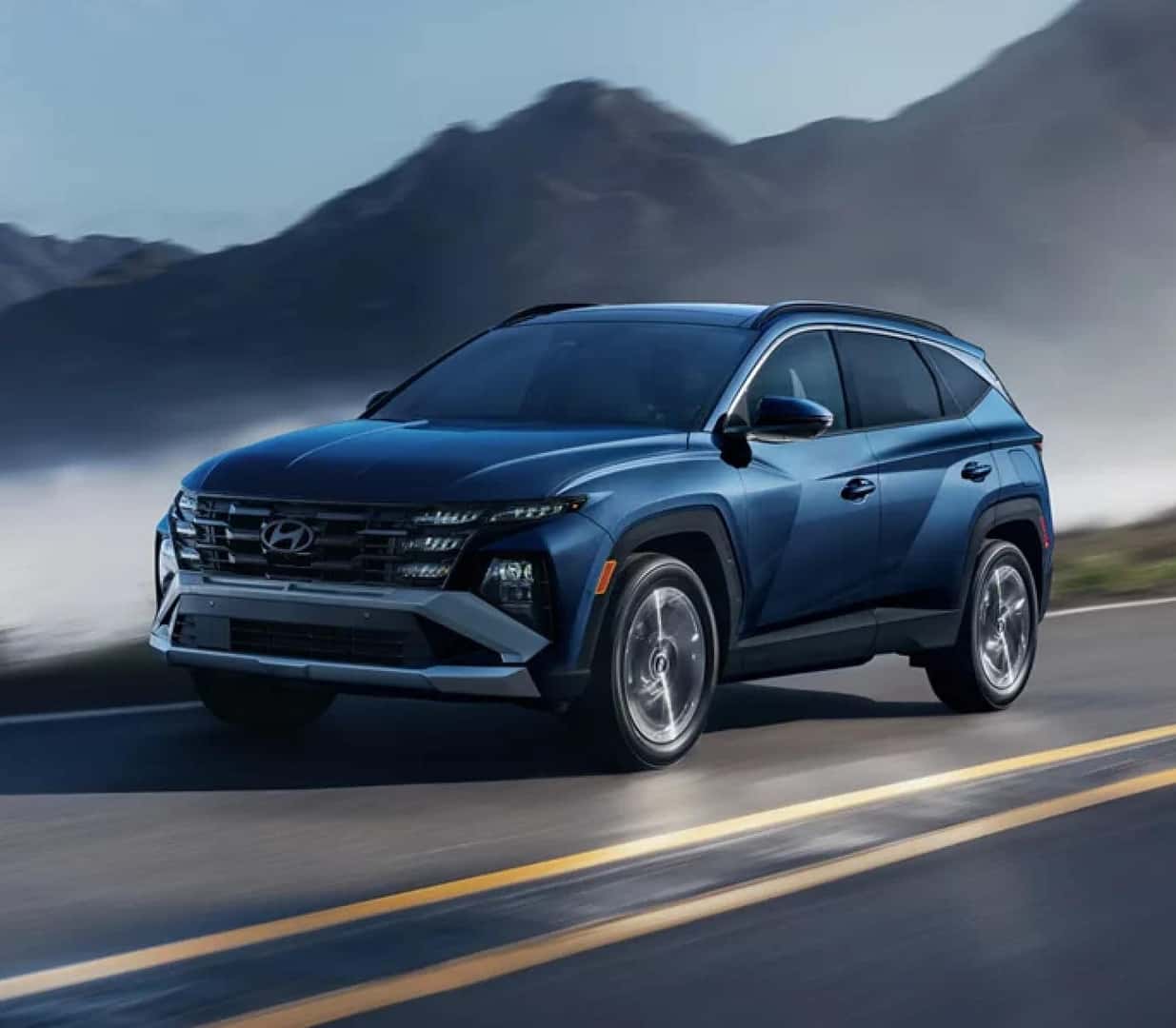
| 2026 Tucson | 2026 Tucson Hybrid | 2027 IONIQ 5 | 2027 Santa Fe | 2027 Santa Fe Hybrid | 2027 Palisade | 2027 Palisade Hybrid | |
|---|---|---|---|---|---|---|---|
| Max EPA-est MPG (cty / hwy / comb) | 25 / 33 / 284 | 38 / 38 / 384 | N / A | 20 / 29 / 244 | 37 / 36 / 364 | 19 / 26 / 224 | 33 / 35 / 344 |
| Max EPA-est MPGe (comb) | N / A | N / A | 1154 | N / A | N / A | N / A | N / A |
| Max all-electric driving range | N / A | N / A | 318 mi4 | N / A | N / A | N / A | N / A |
| Seating Capacity | 5 | 5 | 5 | 6 or 7 | 6 or 7 | 7 or 8 | 7 or 8 |
As we can see in the chart, one aspect of your daily experience that dramatically favors the EVs in any hybrid vs. electric comparison is gas mileage. Another facet of driving that is not represented in these figures is performance. Since electric automobiles can apply almost all of their torque instantly, without having to spin up through different gears, they provide jaw-dropping acceleration: the Hyundai IONIQ 5 N, for example, can leap from zero to 60 mph in less than 3 seconds!
Another key difference in the electric car vs. hybrid model vs. gas vehicle matchup is the question of noise. Gasoline-powered engines are loud; battery-and-motor systems, by comparison, are quite quiet. You’ll often have a more serene driving experience behind the wheel of an EV.
Buy a gas vehicle if you aren’t ready to make the switch to an all-electric car, or you love the hearty growl of a V-6 or turbocharged engine. Many drivers in rural areas, for example, do not want to switch to EVs yet because charging infrastructure in their area is scarce. If you want to enjoy savings on gasoline without going all-electric, you can also get a hybrid, such as a Hyundai Santa Fe Hybrid for sale.
Buy an EV if you want to enjoy a quiet drive and spend less on fuel and maintenance. Electric vehicles do less environmental harm, offer incredible performance, and cost you less at the pumps. Reach out to us today to schedule a test drive in Centereach, NY.
1Reference to this third-party claim is solely for informational purposes and not to be relied upon. For more details, please visit https://www.energy.gov/policy/articles/save-2200-year-driving-electric-vehicle.
2Reference to this third-party claim is solely for informational purposes and not to be relied upon. For more details, please visit https://energyinnovation.org/report/2024-update-how-much-does-it-cost-to-fill-up-an-electric-vehicle-vs-a-gas-powered-car/.
3Reference to this third-party claim is solely for informational purposes and not to be relied upon. For more details, please visit https://e360.yale.edu/digest/energy-department-report-finds-that-evs-cost-40-percent-less-to-maintain-than-conventional-cars
.
4Actual mileage and range will vary.